

By Marisol Vale, AntelopeValley.com Virtual Editorial Staff.
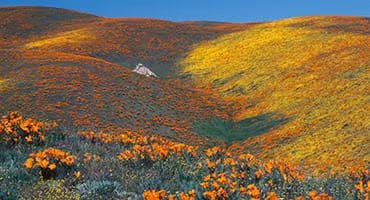
Antelope Valley wildflowers have a way of making people lose their minds a little. A hillside turns orange. A roadside flashes gold. A photo spreads. Suddenly everyone wants the same thing at once: the view, the proof, the family picture, the once-a-year spring feeling that says the desert has been quietly working while the rest of us were looking somewhere else.
That excitement is real, and locals should be allowed to feel proud of it. But a responsible wildflower day in Lancaster starts with one basic truth: the flowers are not props. They are plants in a desert habitat, part of a protected landscape, and in many places they are growing on land where access is limited, regulated, private, fragile, or unsafe.
The best place to begin is Antelope Valley California Poppy Reserve State Natural Reserve, the official state reserve west of Lancaster. California State Parks describes it as located on California's most consistent poppy-bearing land in the western Mojave Desert, with spring displays that can include poppies and other wildflowers. The reserve has official trails, rules, a seasonal interpretive center, a live PoppyCam, and clear guidance for protecting the bloom.
This guide is for people who want the beauty without the damage.
First, Understand the Season
The Antelope Valley wildflower season is not a fixed appointment. California State Parks says the wildflower season at the Poppy Reserve generally lasts from as early as mid-February through May, with a mosaic of color that changes daily. The park page also says the bloom generally occurs from mid-March through April, varies widely each year, and usually peaks in late March or early April.
Both statements can be true because desert blooms depend on rain, temperature, wind, sun, seed conditions, and timing. Some years are famous. Some years are modest. Some weeks look promising and then change fast.
That is why the first planning step is not picking a date because a friend posted a photo. Check the official Poppy Reserve page, PoppyCam, current weather, and any posted state park alerts. California State Parks asks visitors not to send bloom-update inquiries to the Mojave Sector, and directs people instead to official bloom information and the Poppy Reserve Wildflower Hotline.
The cautious reader promise is simple: go when conditions look good, but do not treat any bloom forecast as a guarantee.
Start at the Official Reserve
The Poppy Reserve is located at 15101 Lancaster Road, about 15 miles west of Lancaster. California State Parks says the visitor center is about one-half mile north of the intersection of 150th Street West and Lancaster Road. The park is open sunrise to sunset daily year-round, according to the official page.
The reserve protects an approximately 1,800-acre area in the Antelope Buttes west of Lancaster, according to the state park infosheet. It offers eight miles of trails, including a paved section for wheelchair access. The official park page also describes rolling hills, benches along trails, wildlife viewing, picnic tables, restrooms, drinking water, and the Jane S. Pinheiro Interpretive Center during the spring season.
The interpretive center is listed by California State Parks as open from March 1 through Mother's Day, with weekday and weekend hours posted on the official page and infosheet. Because staffing, weather, repairs, and seasonal operations can change, check the current official page before promising a visitor center stop in any final event listing or social post.
Parking fees are also changing details. The official page lists day-use parking fees and states that special rates may apply during peak season, holidays, weekends, or high-demand periods, and that prices are subject to change without notice. The safe published language is: expect a day-use parking fee and verify current rates before going.
The Rules Are Part of the Experience
At the Poppy Reserve, responsible behavior is not optional seasoning. It is the whole recipe.
California State Parks is direct: stay on official trails only. The park explains that stepping off trail for a single wildflower photo can crush plants, compact soil, and leave bare dirt for years or longer. If someone else has already started an illegal trail, do not add to the damage.
Do not pick the wildflowers. The park says everything is protected, from the tiniest wildflower to rocks on the trail, and damaging or collecting anything from the park is prohibited. The California Department of Fish and Wildlife also notes that while there is no law protecting the California poppy specifically simply because it is the state flower, removing or damaging plants from property a person does not own without permission can involve trespass or theft issues. At the reserve, the state park rule is clearer and stricter: do not pick or destroy any wildflowers in the park.
Do not bring dogs. California State Parks says dogs are not allowed at the Poppy Reserve, with the exception of trained service animals. Comfort animals are not trained service animals and are not permitted. Pets also cannot be left alone in cars, and the park warns that there is no shaded parking and vehicles can heat quickly.
Do not fly drones. The official park page says drones are prohibited in the airspace above the reserve due to impacts on sensitive wildlife, visitor privacy expectations, and other reasons. The park map also states that drones are prohibited above the reserve.
Do not eat, smoke, ride bikes, or bring horses onto trails. The official rules say food is only permitted in picnic areas and parking lots, and that horses, bikes, food, and smoking are not allowed on trails. The infosheet also notes that bicycles are allowed on the entrance road and parking lot, but not trails.
Do not enter from the wrong place. The state park infosheet says the front gate is the only entrance to the park, that visitors may walk in on the path to the right of the paved entrance road for free, and that entering from anywhere other than the entrance gate on Lancaster Road can result in a citation. The official page also notes that adjacent lands are private property.
Those rules may sound strict. They are also why the reserve still exists as a place people can visit.
A Responsible Photo Plan
The most damaging wildflower photos often have the same structure: a person standing, sitting, lying down, or placing a child in the flowers. The image may look soft, but the act is not. It crushes plants, compacts soil, and teaches the next viewer to do the same.
A better photo plan uses trails as part of the composition. Put the path in the frame. Use distance. Use a longer lens if you have one. Photograph flowers along the edge of an official trail without stepping beyond it. Look for layers of color across hillsides. Use people as scale from legal walking surfaces. Let the image say, quietly, that this is how the place should be treated.
For phone photographers, try crouching low on the trail and aiming across the flowers rather than down into them. Use portrait mode carefully, keeping your subject on the path. In wind, take bursts and expect many frames to fail. Poppies can close when it is cold, windy, or not sunny enough for pollinators, so check conditions before promising a particular look.
Avoid drone footage, flower-picking shots, road-shoulder chaos, and anything that reveals or encourages trespass onto private fields. If a photo cannot be made without breaking a rule, it is not the right photo for AntelopeValley.com.
Safety: It Is Still the Desert
The Poppy Reserve can look gentle in spring, especially when flowers soften the hills. California State Parks reminds visitors that it is still a desert. The official infosheet recommends sun protection, layered clothing, and water. The park page warns that spring is normally windy, that desert temperatures can vary widely and change suddenly, and that visitors should bring more water than they think they will need.
Rattlesnakes are part of the landscape. The infosheet says there are rattlesnakes in the fields and advises visitors to stay on trails, watch the ground ahead, back away slowly if they encounter a snake, and not attempt to touch or move it. The park page adds that Mojave green rattlesnakes may be active during warm conditions and are protected as part of the food web.
Driving also needs attention. The official page warns drivers on Lancaster Road to watch for sudden stops, people taking pictures from vehicles, car doors opening, children and dogs near the road, and unpredictable behavior where flowers bloom near traffic. Build patience into the day. No roadside photo is worth creating a hazard.
Finally, respect heat and wind. A bloom day can shift from pleasant to draining. Bring water, snacks for the picnic area or car, layers, sun protection, and a plan to leave before everyone is tired and cranky.
A Low-Impact Day Plan
Start the night before by checking the PoppyCam, the official state park page, and the National Weather Service forecast. If wind, heat, road crowding, or bloom conditions look poor, consider a different day. Responsible planning includes the willingness to wait.
Arrive early if you can. Early starts can mean easier parking, cooler walking, and calmer roads. Enter through the official entrance gate only. If the lot is full or roadside parking is not legal or safe, do not improvise across fields or private land.
Begin with the visitor center if it is open. The Jane S. Pinheiro Interpretive Center gives the day context: wildflowers, wildlife, an orientation video, and botanical watercolor art are all listed by State Parks as part of the visitor center experience. If the center is closed, use the map, signs, and trail rules as your guide.
Choose a trail based on the group's ability and conditions. The reserve has eight miles of trails, but a responsible wildflower day does not require hiking every mile. Families, older visitors, and accessibility-sensitive groups may prefer the paved ADA trail segment and picnic area. More ambitious walkers can build a longer loop while staying on official trails.
Eat only in the picnic area or parking lots, per park rules. Pack out trash or use proper receptacles. Keep the day simple enough that no one is tempted to cut corners.
After the reserve, consider a second state park stop only if time, energy, and conditions are good. California State Parks suggests Arthur B. Ripley Desert Woodland State Park, located west of the Poppy Reserve, as a place to see native Joshua tree and juniper woodland. The Poppy Reserve page also points readers to Saddleback Butte State Park and Red Rock Canyon State Park for different desert landscapes, though those add more driving and should be planned with current conditions in mind.
If the group is done after the reserve, that is a successful day. Head back into Lancaster or Palmdale for food or errands, checking current business hours before naming any stop in a final itinerary.
How Locals Can Help During Big Bloom Years
Big bloom years can bring attention that the westside roads and reserve were not built to absorb casually. Locals can help by modeling better behavior.
Share official links instead of secret pins. Tell visiting friends to stay on trails. Do not post photos that show people in the flowers. Remind people that nearby land may be private. Encourage carpooling where appropriate. Tell people to use the official entrance. Keep dogs at home unless they are trained service animals. Support state park staff and volunteers by reading signs before asking questions that are already answered.
Local pride is not just saying the AV has the best flowers. It is protecting the conditions that let flowers return.
What If the Bloom Is Weak?
A weak bloom is not a failed day if the plan is honest. The Poppy Reserve is still a high-desert state natural reserve with trails, views, birds, lizards, quiet, and changing light. The interpretive center, if open, can still teach visitors about Mojave Desert grassland habitat. Nearby state parks can still offer Joshua trees, desert geology, or picnic stops.
The article should avoid promising "fields of orange" for every spring. Instead, say what the official sources say: intensity and duration vary each year, and the park does not water or otherwise stimulate the flowers. That one sentence protects reader trust.
It also helps visitors enjoy what is actually there. Cream cups, goldfields, owl's clover, lupine, coreopsis, grasses, clouds, and wind can all be part of the day. A poppy trip does not have to become an extraction mission for one perfect orange photo.
FAQ
When is the best time to see Antelope Valley wildflowers? California State Parks says the wildflower season can run from as early as mid-February through May, with bloom generally from mid-March through April and peak viewing usually in late March or early April. Conditions vary widely each year, so check the official PoppyCam and park updates.
Can dogs go to the Poppy Reserve? No, except trained service animals. California State Parks says domestic animals, including comfort animals, are not allowed and pets cannot be left alone in cars.
Can visitors walk into the flowers for photos? No. Stay on official trails. State Parks explains that off-trail walking crushes plants, compacts soil, and can damage habitat for years.
Are drones allowed? No. California State Parks says drones are prohibited in the airspace above the reserve.
Can visitors walk in for free? The state park infosheet says visitors may walk in on the path to the right of the paved entrance road for free, but must use the front entrance gate and legal parking areas. Check current signs and official guidance before relying on this option.
Good to Know
- Check the official PoppyCam, state park page, weather, and any alerts before making the drive.
- Stay on official trails, do not pick flowers, do not fly drones, and do not bring dogs except trained service animals.
- Expect wind, sun, changing temperatures, and possible rattlesnake encounters.
- Adjacent lands may be private property; do not enter fields, hop fences, or follow unofficial paths.
Make It a Day
- Start at Antelope Valley California Poppy Reserve with a short official trail and visitor center stop if open.
- Use the picnic area or parking lot for food, since food is not allowed on trails.
- Add Arthur B. Ripley Desert Woodland State Park only if conditions, daylight, and group energy are good.
- Finish in Lancaster or Palmdale for a meal or errand stop, checking current hours before naming a business.
More Antelope Valley Guides
- first-timer tips for the Poppy Reserve
- Prime Desert Woodland Preserve
- family-friendly Antelope Valley weekend ideas
Sources and Further Reading
- California State Parks, Antelope Valley California Poppy Reserve State Natural Reserve
- California State Parks, Poppy Reserve trail map PDF
- California State Parks, Poppy Reserve infosheet PDF
- California State Parks, Arthur B. Ripley Desert Woodland State Park
- California Department of Fish and Wildlife, California Poppy
- National Weather Service forecast lookup
- Theodore Payne Foundation Wildflower Hotline